Artisan Winemakers
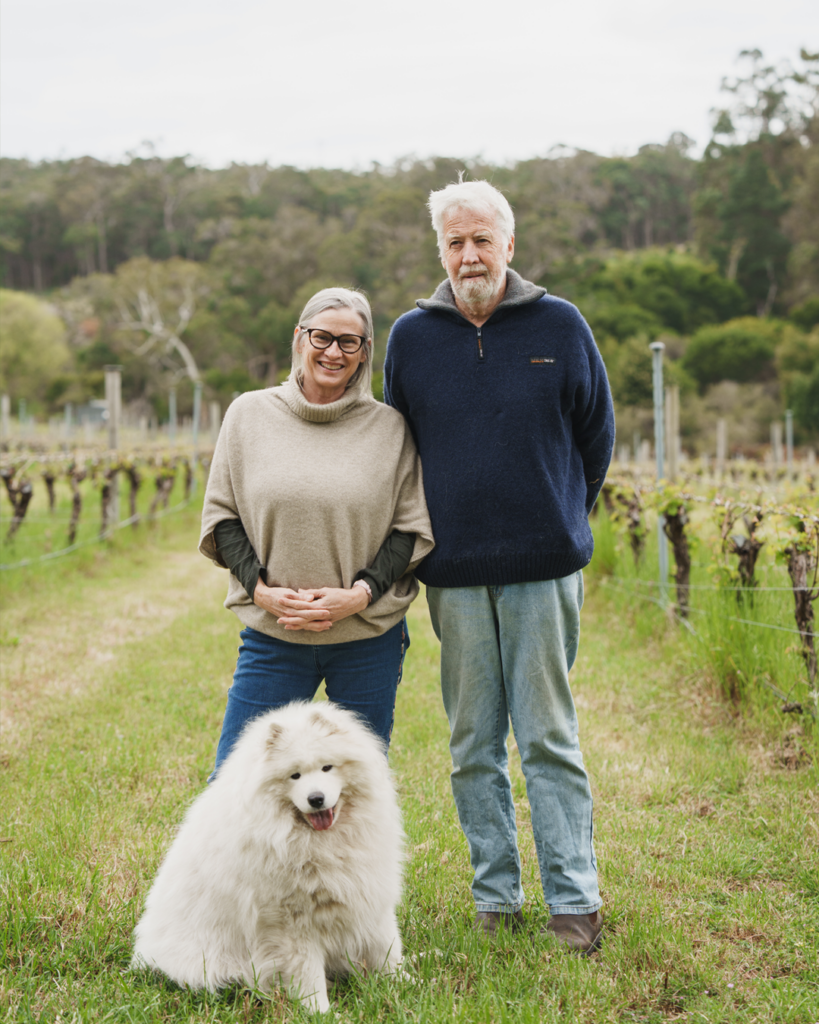
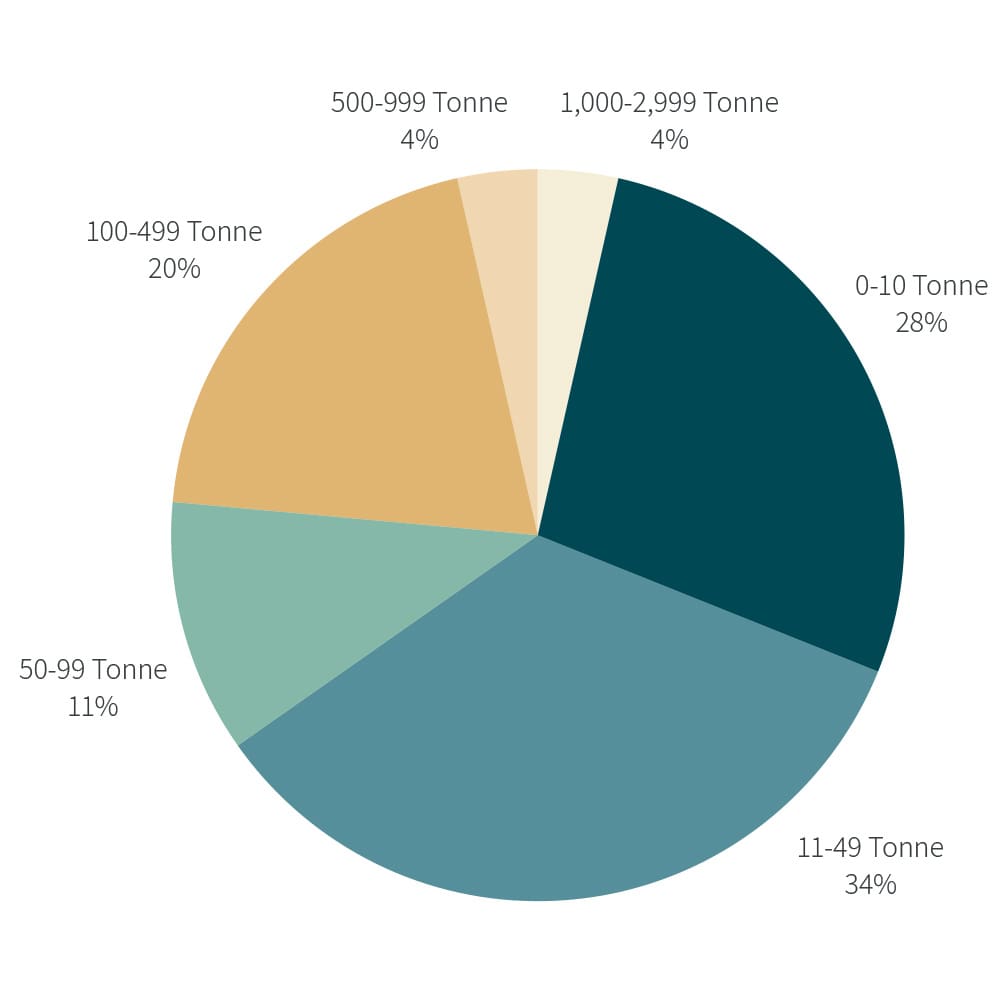
Scarce and sought-after worldwide, Margaret River wines represent only 2% of the Australian annual crush. In the 2024 vintage, 174 producers declared a crush. Approximately 50% of the region’s wineries crush less than 50 tonnes of grapes (this translates to approximately 4,000 x 12 bottle cases of wine). Larger producers are known for their handcrafted winemaking approaches that are delivered at scale, with a quality focus. The majority of Margaret River wineries are Western Australian family-owned operations.
Graph: Producer Crush Volumes
Key Grape Varietals
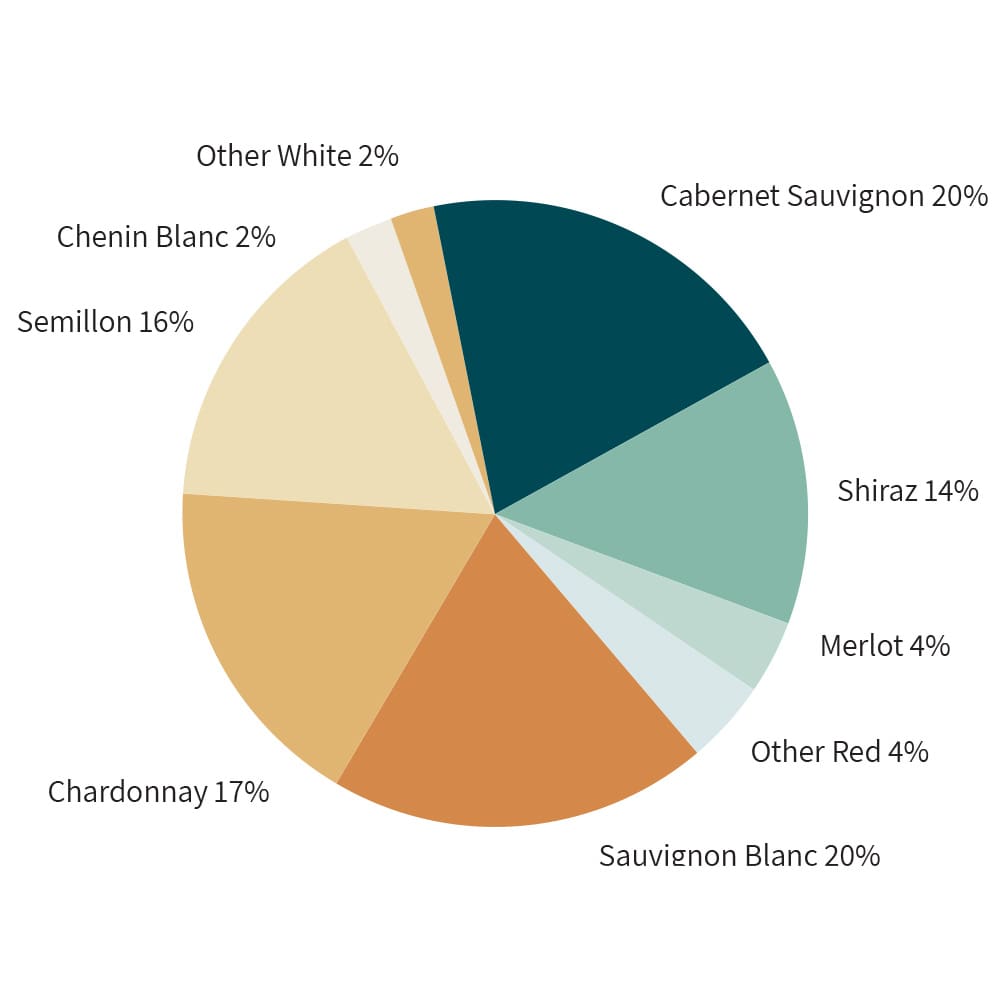
Margaret River is most famous for its Cabernet Sauvignon and Chardonnay. Complex and structured, the finest examples are vibrant upon release, with cellaring potential of several decades. Sauvignon Blanc and Semillon are also grown, often combined as an aromatic blend. Chenin Blanc is on the rise. The region’s medium-bodied Shiraz (also referred to as Syrah) is of notable standing. Over forty different grape varieties are planted in the region. Margaret River’s top five planted grape varieties account for 87% of the tonnes crushed. Those varieties are Cabernet Sauvignon (20%), Sauvignon Blanc (20%), Chardonnay (17%), Semillon (16%), Shiraz (14%).
Graph: Margaret River’s Grape Varietals
Margaret River’s Viticultural Land

total size
of region
213,000
hectares
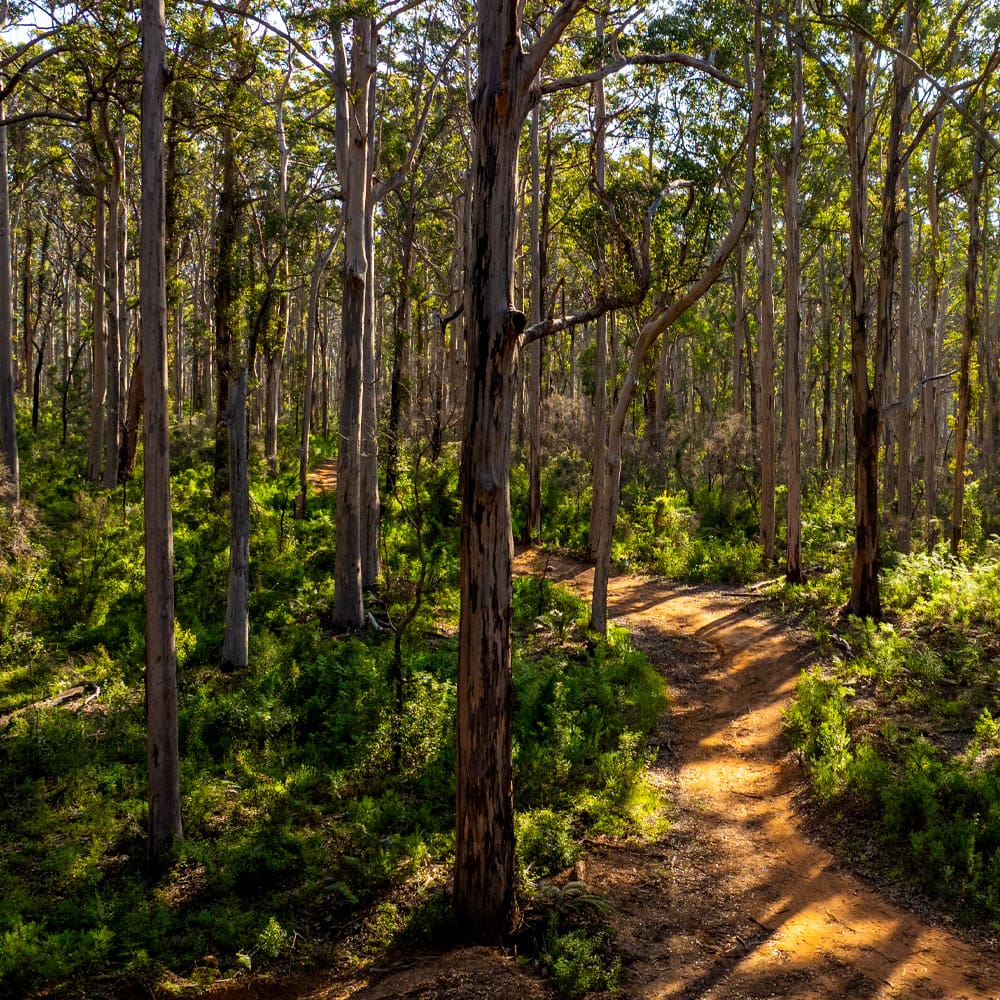
REMNANT
FOREST
98,750 hectares
46.4% of region
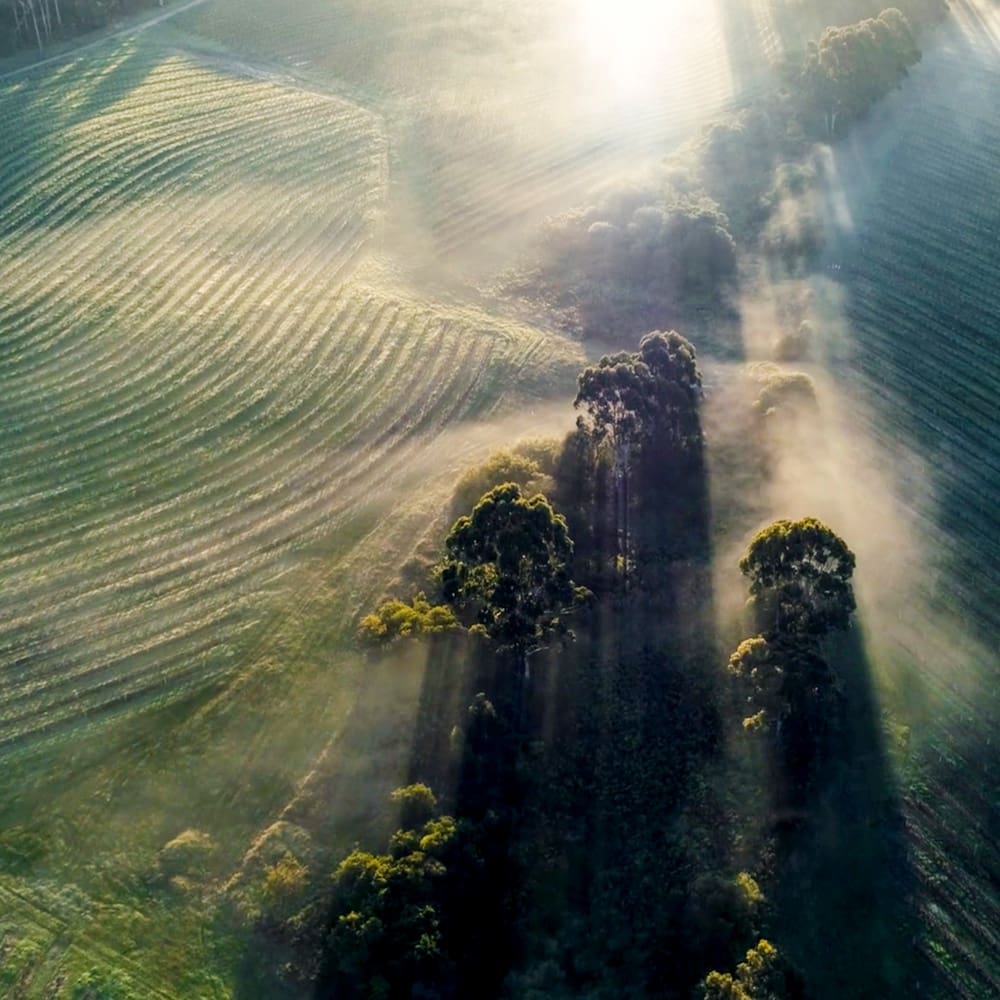
area
under vine
5,840 hectares
2.7% of region

CERTIFIED SUSTAINABLE WINEGROWING AUSTRALIA
3,029 hectares
51% of vineyards
Vineyard Management
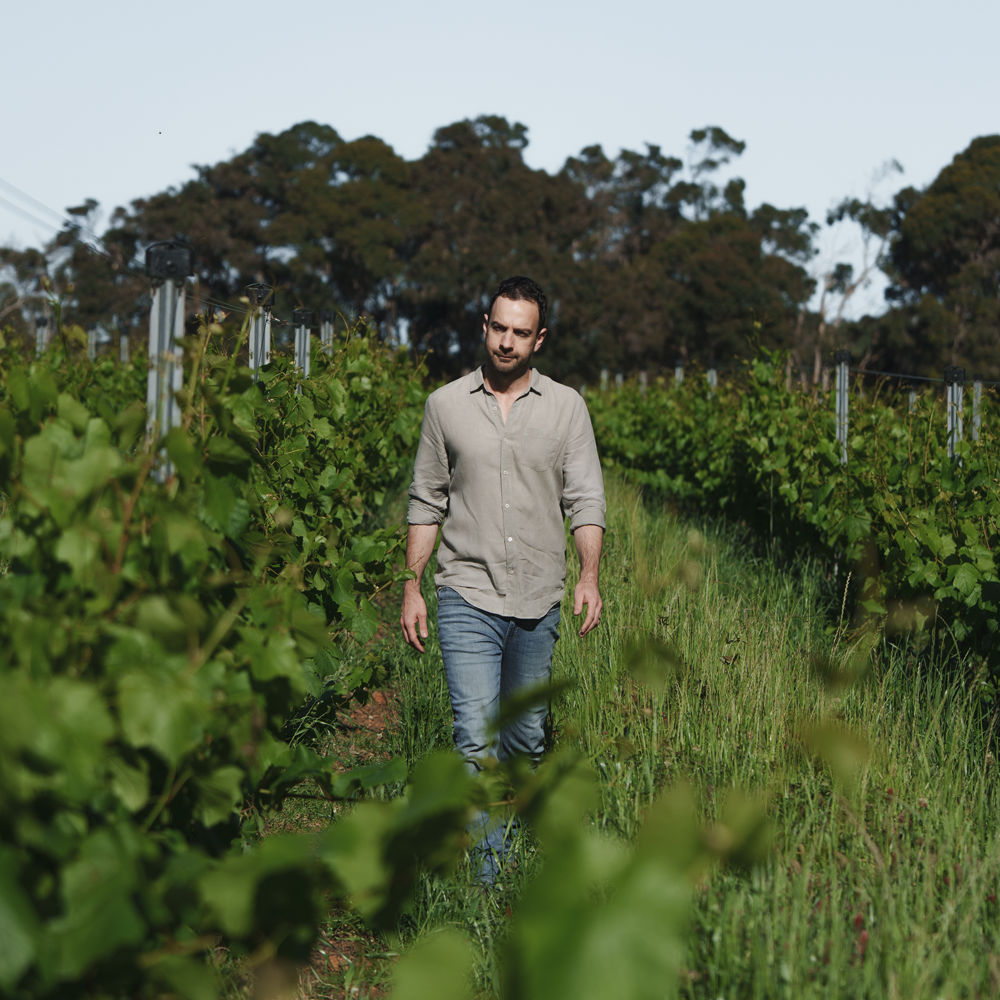
Margaret River viticulturists are known for their careful, seasonally adaptive vine and canopy management techniques to optimise fruit yield and quality. Common canopy management methods include winter and summer pruning, shoot positioning, shoot removal, leaf plucking (vigour control) and green harvesting (crop thinning).
The requirement for irrigation is reduced by clay beneath the gravel-loam soils which collects rainfall over the winter months, providing a natural water source for vines over the dry summers.
In years when berry ripening starts early and the region’s Marri trees have not yet bloomed, local birds called Silvereyes that reside in forests surrounding the vineyards target grapes as their food source. Growers must ensure nets are in place to protect vines early in the season.
Phylloxera Free
Margaret River is one of the few wine regions in the world able to grow vines on their own root system, without the need for grafting of phylloxera-resistant American rootstock (usually hybrid varieties created from Vitis berlandieri, Vitis riparia and Vitis rupestris species). The absence of the vine pest phylloxera has meant most vineyards have been grown from vinifera vine cuttings taken from high-quality, existing vineyards. This has allowed for the selection and propagation of very high-quality heritage clones of each grape variety. Margaret River’s distinctive style of Chardonnay and Cabernet Sauvignon is linked to two Western Australian heritage clones; Gingin (Chardonnay) and Houghton (Cabernet Sauvignon).
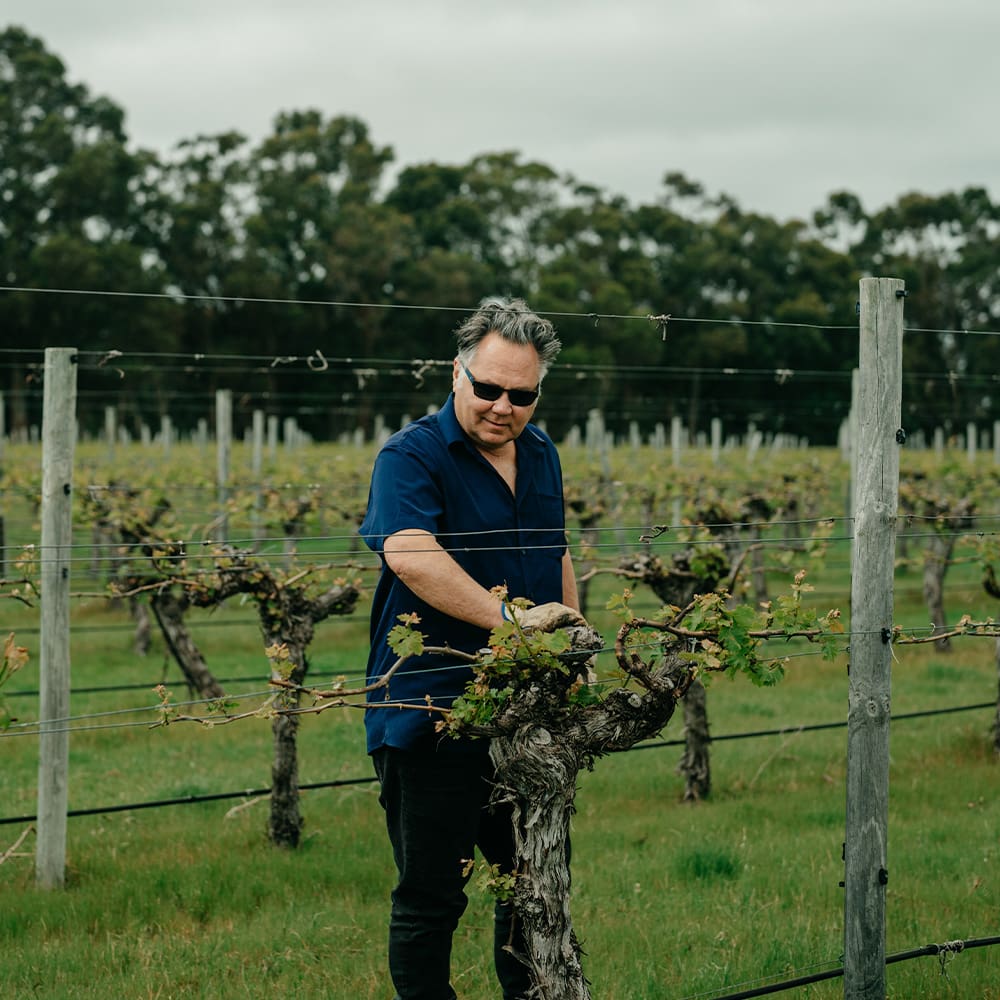
“Margaret River has a vastly different vibe compared to my upbringing in Italy… I feel the freedom to experiment and push the stylistic boundaries with the wines we make. I call this the “blank canvas factor”, which keeps me engaged and enthusiastic about making wine in this beautiful place.”
Jacopo Dalli Cani Head Winemaker – McHenry Hohnen
Popular Winemaking Techniques
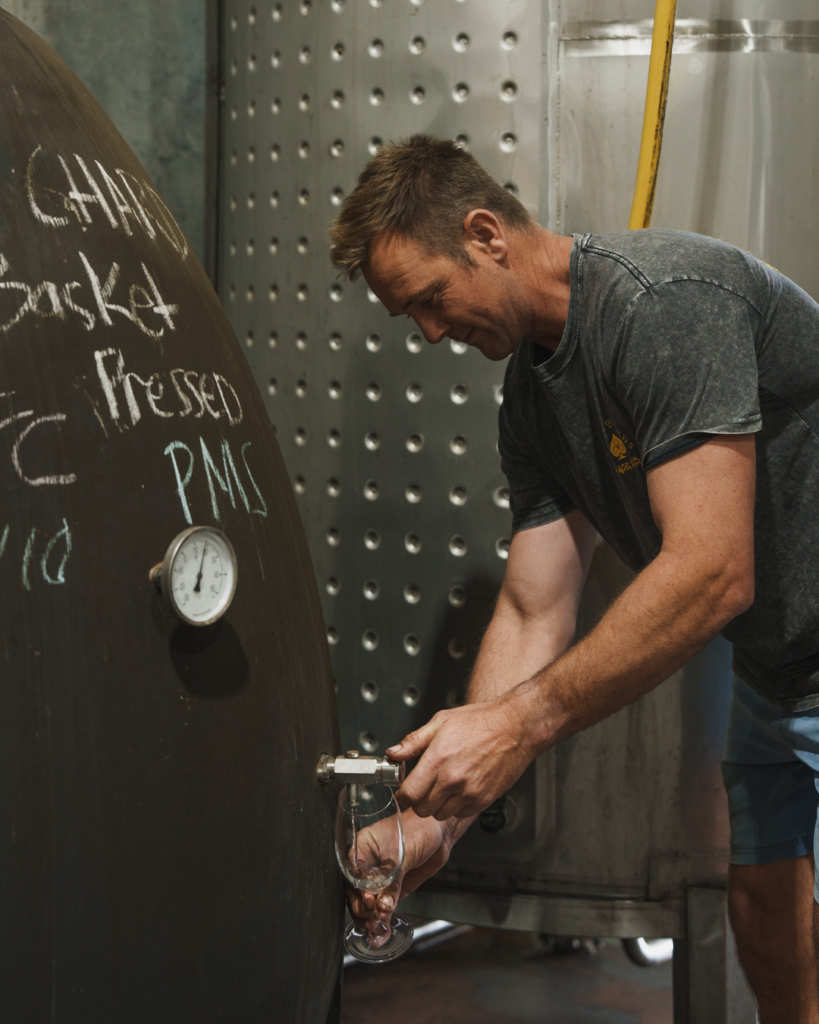
Margaret River winemakers draw on classic wine regions for technique and the local environment for inspiration. Several prominent producers are recognised Australian leaders for their longstanding adoption of low intervention winemaking techniques that most sensitively express their fruit. An example is the use of natural fermentation with only indigenous yeasts, a practice that has become increasingly widespread in Margaret River, particularly for Chardonnay.
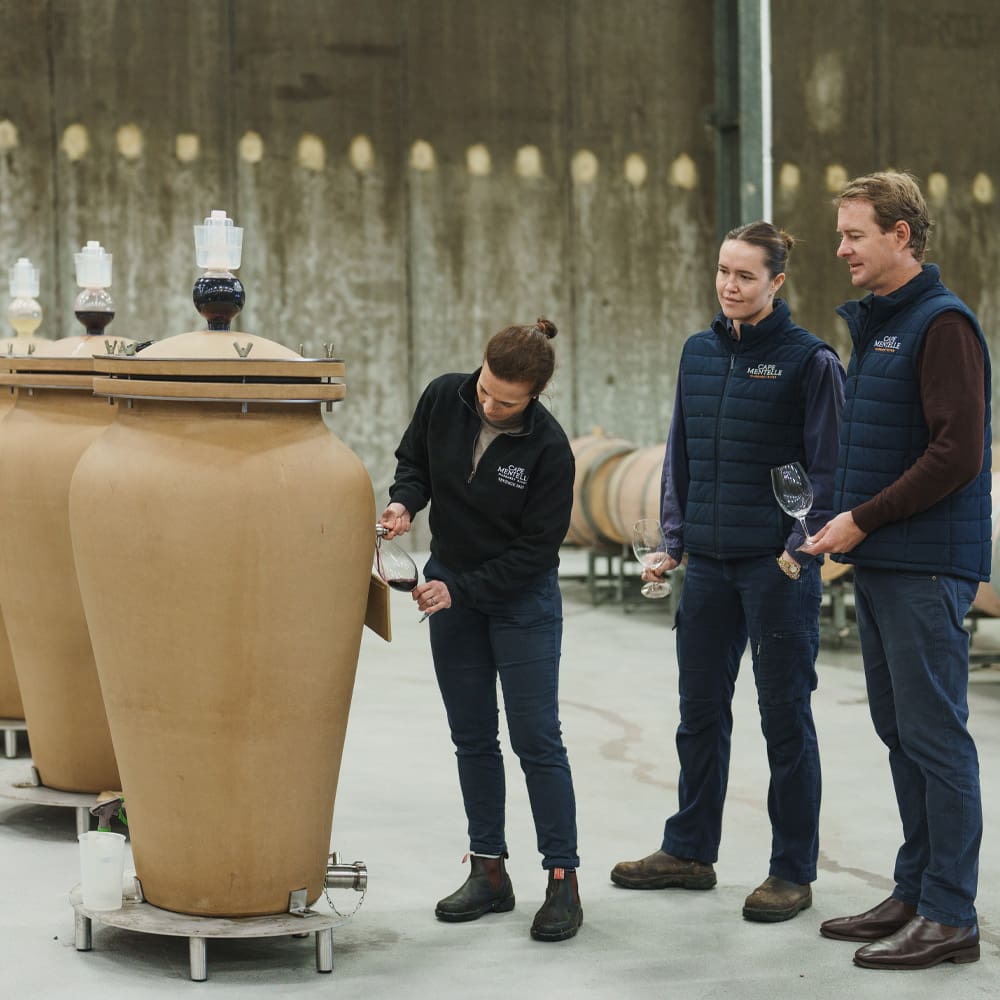
The use of oak barrel fermentation and/or maturation is common, however winemakers practice restraint with new oak. Experimentation with array of vessel sizes (and materials eg. concrete) continues to evolve vinification programs as winemakers strive for the ultimate expression of complexity and texture, while preserving varietal character.
A Close-Knit Wine Community
Margaret River’s worldly winemakers are close-knit, and a plethora of tastings are held throughout the year to share knowledge and experience. The two flagship varieties, Cabernet Sauvignon and Chardonnay, both have an annual regional tasting, hosted at Vasse Felix. Here, hundreds of single plot barrel samples, from a single vintage, with transparency of site, viticulture and winemaking inputs are tasted and discussed. International blind tastings events featuring Cabernet Sauvignon and Chardonnay are held at Cape Mentelle and Cullen Wines each year.
Harvest in Margaret River
Harvest typically begins in February with earlier-ripening varieties such as Chardonnay, Sauvignon Blanc and Semillon the first to be picked. Shiraz is a mid-harvest variety, while Cabernet Sauvignon requires the full ripening season, and is often the last to be harvested.
The moderate climate and impact of the sea breeze allows the Cabernet to ripen over an extended time period to achieve outstanding fruit flavour and resolved tannins, while retaining natural acidity.
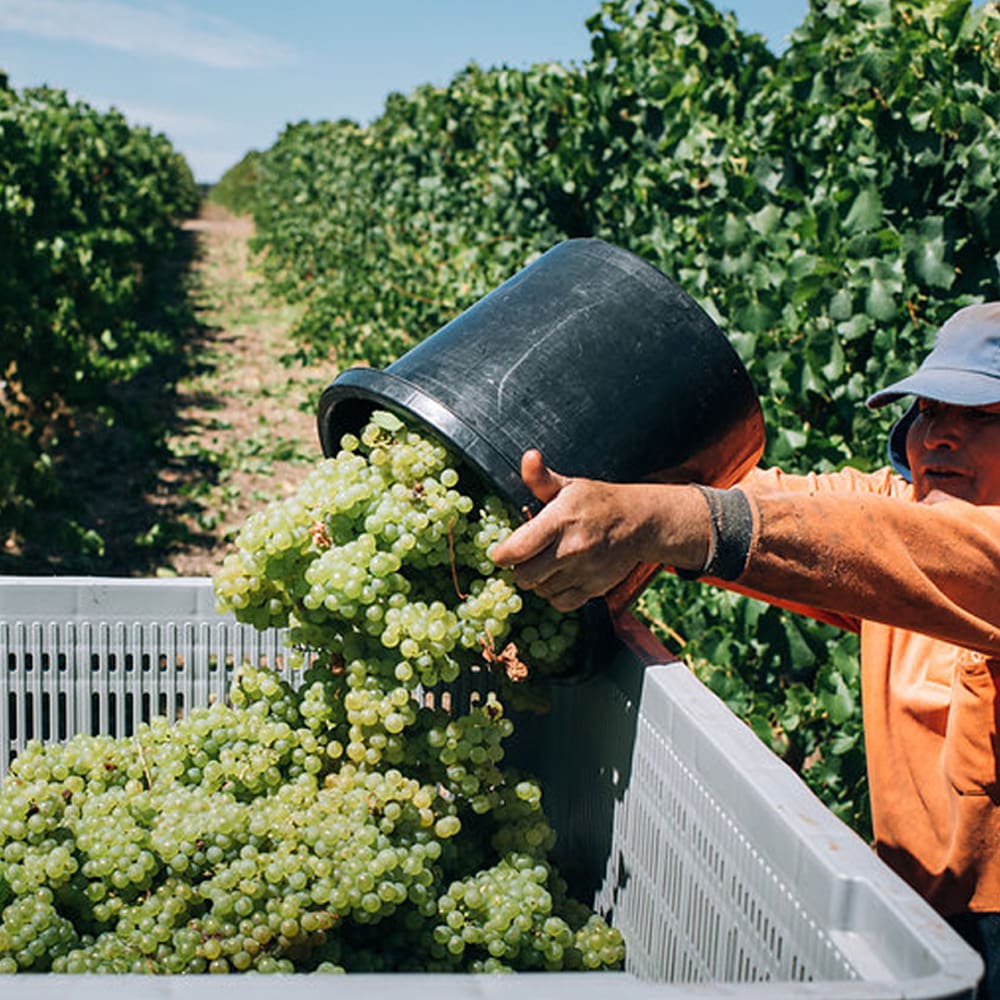
Hand-harvesting is widely used, particularly for the top wines. Wineries that machine harvest use this technique to harvest at night-time until just before sunrise, since this is the coolest part of the day. A particular benefit of machine harvest is the protection of aromatics of thin-skinned Shiraz and Sauvignon Blanc grapes and to allow for pre-fermentation skin contact for white varieties.