Vintage Descriptions
Since the earliest days, the Margaret River Wine Region has benefited from the remarkable consistency of its seasons. The moderate Mediterranean climate and considerable maritime influence allow vignerons to achieve physiologically ripe fruit in most years.
Working collaboratively with producers, the Margaret River Wine Association publishes a vintage report for the season. These can be found below. Another helpful resource is the Halliday Wine Companion vintage rating, which can be found here.
2025 Vintage
A vintage of classic conditions for producing outstanding wines. A wet winter followed by a moderate spring led into a warm, dry summer, with cooling afternoon sea breezes supporting an extended, even ripening period. Low disease pressure allowed fruit to be harvested in pristine condition. Chardonnay and Sauvignon Blanc stood out among the whites, while reds like Cabernet Sauvignon, Malbec and Shiraz are showing great promise, with excellent balance, structure and flavour. The season is being hailed as one of the best in recent memory—drawing favourable comparisons to the exceptional 2018 vintage.
2024 Vintage
Early, fast-paced and bodes well for some superb-quality wines. Above-average spring temperatures and almost no rainfall led to an early budburst and accelarated growing conditions for the vines. Flowering occurred early and went through quickly. The vintage was blessed with one of the most abundant marri (Corymbia calophylla) flowering seasons, keeping the birds from the vineyards, and with warm, dry conditions there was no disease pressure. White grape harvest began in mid-January, four weeks earlier than usual. Grapes continued to ripen rapidly, making vintage compressed and fast-paced. Precision harvest timing was crucial. All varieties reached full maturity earlier than we are used to, and lower yields in some varieties and locations led to a concentration of aromas and flavours. Freshness and acid retention in white varieties was a pleasant surprise. There will be some special wines from this vintage.
2023 Vintage
An excellent, modest season with optimal, dry conditions and mild weather enabling gentle, consistent ripening across all varieties. Winter temperatures were lower than average, and budburst and vine development was delayed about 2-3 weeks to average. Good fruitset resulted in healthy yields (approx 6% higher than 5-year average). What started as a slow burn in spring for the viticulturists resulted in a glorious summer of optimal temperatures when January brought consistent warmth, allowing vine development to catch up, and providing ideal ripening conditions. Disease pressure was minimal. Marri Blossom was scarce. A year of elegant, fresh Chardonnay with lovely natural acidity and inky and dense Cabernet Sauvignons with intensity and a very fine tannin structure.
2022 Vintage
Steady winter rains filled soil profiles early, enabling a fair recharge of groundwater reserves. Budburst and shoot growth were surprisingly even in spring, albeit a little behind average, with wet and cloudy conditions continuing through to late November. The flowering period happened under similar cool, wet and cloudy conditions with some variance noted in fruit set and early berry development stages. Phenological dates lagged right through the growing season by about 3 weeks later than averages. Then dry, clear conditions and no rainfall over December and January pushed phenological development forward quickly. Early harvested varieties matured around a week later than the historical average. A cooler change in the night temperatures and rain in early February and early March meant a long sustained ‘hang time’ period and a large picking window for red varieties, perfect for targeting various winemaker styles. The Marri blossom was well-timed and kept native birds from feeding on the grapes. All varietals reached moderate to excellent quality and ripeness across the region with crop levels bouncing back to more average volumes.
2021 Vintage
A mild spring with reasonable rainfall provided excellent conditions for budburst and flowering for moderate crops. La Niña created a strong cyclone season in Western Australia’s north which doubled Margaret River’s long-term average November rainfall. December and January were dry with warm daily temperatures. Cool nights offered a reprieve. As harvest commenced in early February, a significant rain event soaked deep into the soils, ideal for the later ripening Cabernet Sauvignon. Warm, humid conditions followed, increasing disease pressure risk in some vineyards. Those who put extra work into leaf plucking and some fruit dropping of red varieties reaped the rewards of physiological ripeness. Labour shortages necessitated pre-planning and forecasting, and the community came together to help. White varieties had incredible flavour at a lower baume. A season of elegant Chardonnay, standout Sauvignon Blanc and Cabernet Sauvignon with fine, polished tannins that will age gracefully.
2020 Vintage
This vintage was a real treat for viticulturists. The only downside was one of the smallest harvests in recent years. A significantly wet winter with rainfall 30% above average was ideal, before temperatures gradually crept up to a warmer than average spring. High summer temperatures caused an acceleration in grape development and harvest began at the end of January, one of the earliest starts on record. This evolved into perfect summer growing conditions for a wide range of varieties from early to late ripening. Low disease pressure, timely flowering of Marri trees and little-to-no rain meant that growers could literally “take their pick” when they wanted, enabling fruit to reach its best. The lower yields resulted in exceptional, physiologically ripe fruit with divine concentration of aromas and flavours.
2019 Vintage
A comparatively late and long season. A mild, cool end to 2018 was beneficial to vine growth and an atypical rain event in mid-January recharged the soil when needed. Harvest started two to three weeks later than normal due to cooler spring and summer conditions. Minor rainfall and high humidity mid-March presented some disease pressure challenges, however great weather pursued until the end of April and with astute vineyard management, the region achieved a high-quality harvest overall. The wines are parallels with 2017 vintage. The cooler conditions resulted in amazing flavour intensity and acid retention in the whites, particularly Chardonnay. Beautiful weather until late-April allowed the reds to attain physiological maturity and finessed tannins.
2018 Vintage
Heavy winter rainfalls recharged soil moisture levels and blocks with well-established root systems could be dry grown. A modest spring enabled moderate crop levels, and while the growing season felt cool, it was in fact warmer across daytime average temperatures in the lead up to harvest. There was a “mega blossom” of the Marri trees – the most blossom in living memory – keeping bird pressure to almost zero. Vintage timing was on average, with minor rainfall freshening red vines for the finish. A long, dry, warm Indian summer followed, with no heat spike events. One of, if not the best, Cabernet Sauvignon vintages of the decade, with ultra-fine, perfectly ripe tannins, moderate sugars and good natural acidity. Vibrant colours. Complex and lifted aromas.
2017 Vintage
Budburst and early development were delayed by higher-than-average rainfall and a cooler spring. Vines enjoyed warming trends in December and January, growing mid-sized, well-balanced canopies. Vintage timing returned to more traditional dates following a string of early harvests, with a benefit of minimal bird pressure due to good Marri blossom. The cooler vintage produced abundant natural acidity in physiologically ripe grapes, at moderate sugar levels and very high anthocyanin levels in red wines. Most producers were very pleased with fruit quality, making some truly memorable wines. Chardonnays are of optimal flavour and natural acidity. The long, slow ripening of reds allowed for ripe skins and seeds, deep vibrant colour and amazing perfume, at lower than usual potential alcohol. A very age-worthy vintage.
2016 Vintage
Good early winter rains followed by a dry spring with warmer-than-average temperatures, ideal for flowering and fruitset. Early summer was generally fine with strong afternoon sea breezes. Temperatures were slightly above average in January and February (with a welcome rain event in the second week of January) and vintage timing was early for the region. Closer to average temperatures were experienced in March and April, slowing down ripening during mid and late vintage. A very strong year for Chardonnay, Semillon and Sauvignon Blanc, with bright, intense varietal fruit flavours and excellent natural acidity. An excellent year for reds, where Cabernet Sauvignons show very good palate density and intense varietal lifts.
2015 Vintage
A lower-yielding vintage for all varieties due to the impact of inclement weather, cold night-time temperatures and rainfall during flowering and berry development. Many wine producers reported the earliest white wine vintage ever, some completed their whites harvest as early as the first week of March. Bird pressure occurred due to delayed Marri blossom. Classic autumn weather patterns returned from early March and a low weather pattern from Cyclone Olwyn delivered some rain and cooler night-time temperatures, extending the ripening period for reds. This enhanced fruit flavour profiles, with softer tannin levels observed. A year of intense and varietal Sauvignon Blanc and Semillon with crisp natural acidity and Chardonnay of great length, acidity and soft phenolics. Overall, very good fruit quality.
2014 Vintage
An excellent growing season led up to this vintage, with the only downside being lower crop levels due to some storms at flowering. Harvest timing for whites was average. Milder weather conditions in late-April and early-May delayed final ripening and the harvest of reds was about a week later than average. Even at the end of May, when vintage finished in the more southern areas, Marri blossom remained prevalent; thus, bird damage was minute. There was negligible disease pressure because of the very consistent weather conditions. Chardonnays display outstanding natural acidity. Reds show vibrant, ripe fruit intensity, great colour and balanced tannin profiles. Cabernet Sauvignon is concentrated and textured with good weight. A very high-quality vintage showcasing hallmarks of elegance, finesse and great ageing potential.
2013 Vintage
Warm to very-warm conditions during the day and higher than average night temperatures from early January until the end of February. Consistent, good growing conditions led to very little disease pressure. Minimal bird damage from Silvereyes was recorded due to prevalent Marri blossom throughout the region. Yields were down slightly, between 5% to 15% depending upon varieties. A true ‘Indian summer’ extended into autumn and allowed full development of flavours and sugars in the red varieties. Chardonnays balance the tightrope of natural acidity with full, rich flavours and soft, fine phenolics. Quite outstanding in their youth, the Cabernet Sauvignons are of excellent aging potential.
2012 Vintage
Settled and warm weather conditions brought forward vintage by two to three weeks compared with the regional average for both whites and reds. An abundant blossoming of Marri before and during vintage kept birds well at bay. Disease pressure was also minimal because of seasonal consistency and dry conditions from January to the end of March. An extended period of warm weather and cool nights resulted in balance and ripeness. Berry size in Cabernet Sauvignon and Merlot was small with particularly thick skins, great colour and tannin. This vintage was something truly special for intense, full-flavoured Chardonnays with weight and length, and Cabernet Sauvignons of deep colour, fine extended tannins, elegance and generosity.
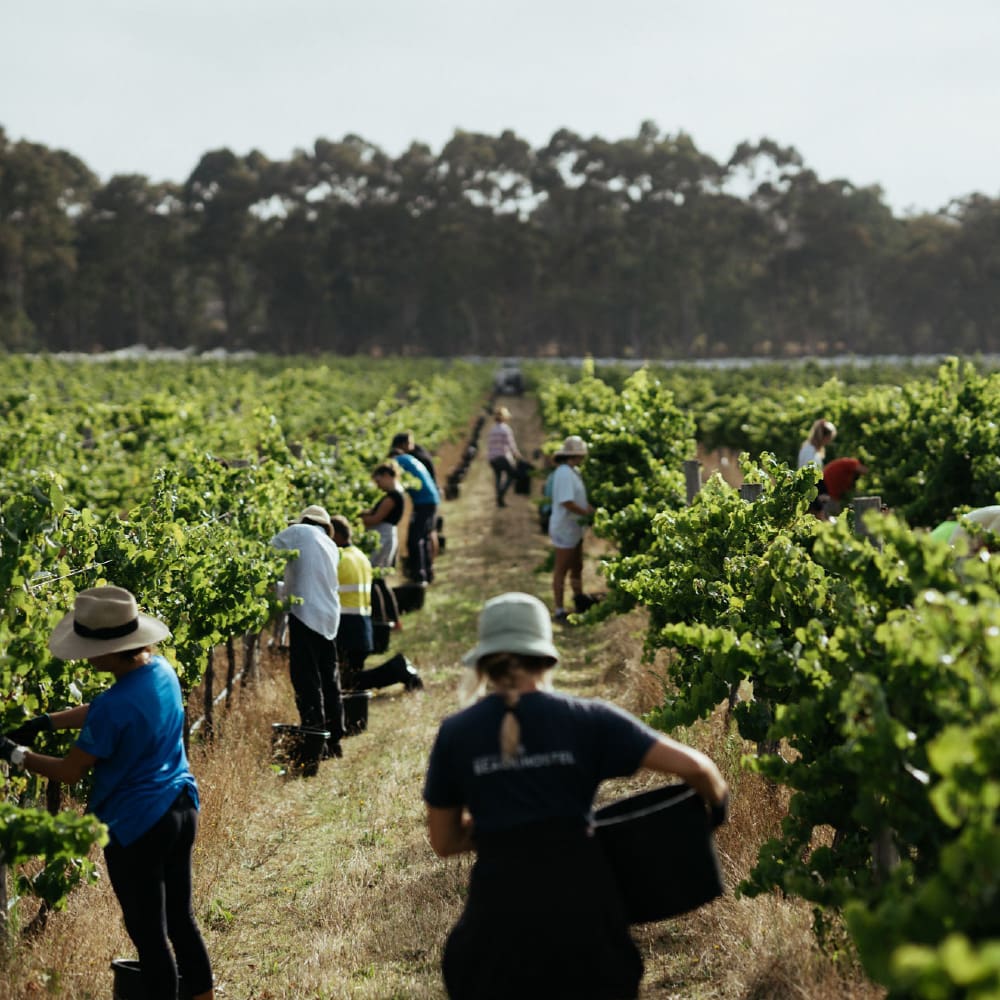
“Margaret River has the most reliable climate of all the major wine regions – indeed all – of Australia.”
JAMES HALLIDAY AM
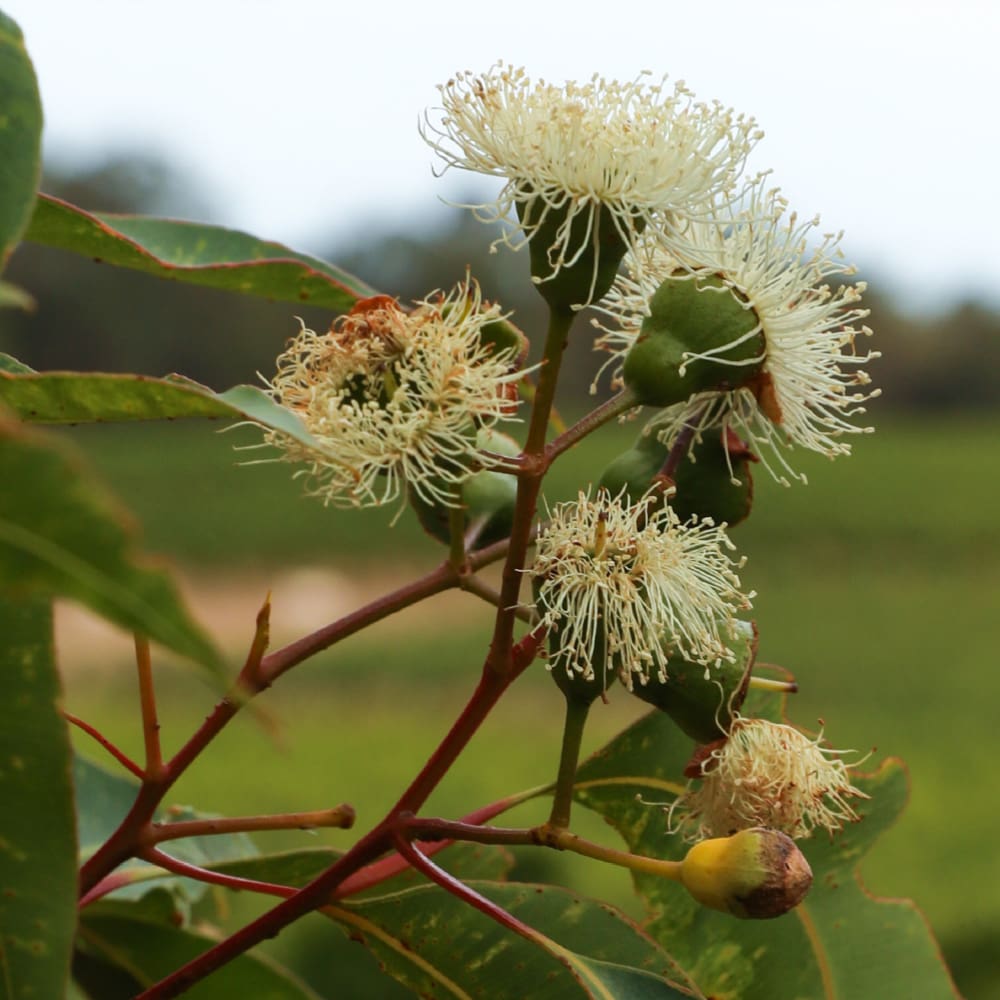
What is Marri Blossom?
Marri (Corymbia calophylla) and Jarrah (Eucalyptus marginata) are two of more prolific trees in the Margaret River Wine Region, and surround many of the vineyards.
When the Marri blossoms abundantly, it provides ample food for the local bird population. When it doesn’t, grapes make an attractive substitute, thus, in low blossom years, extensive vine netting programs are required, which are costly, labour intensive and can cause delays for some producers in achieving ideal harvest timings.