Cabernet Sauvignon
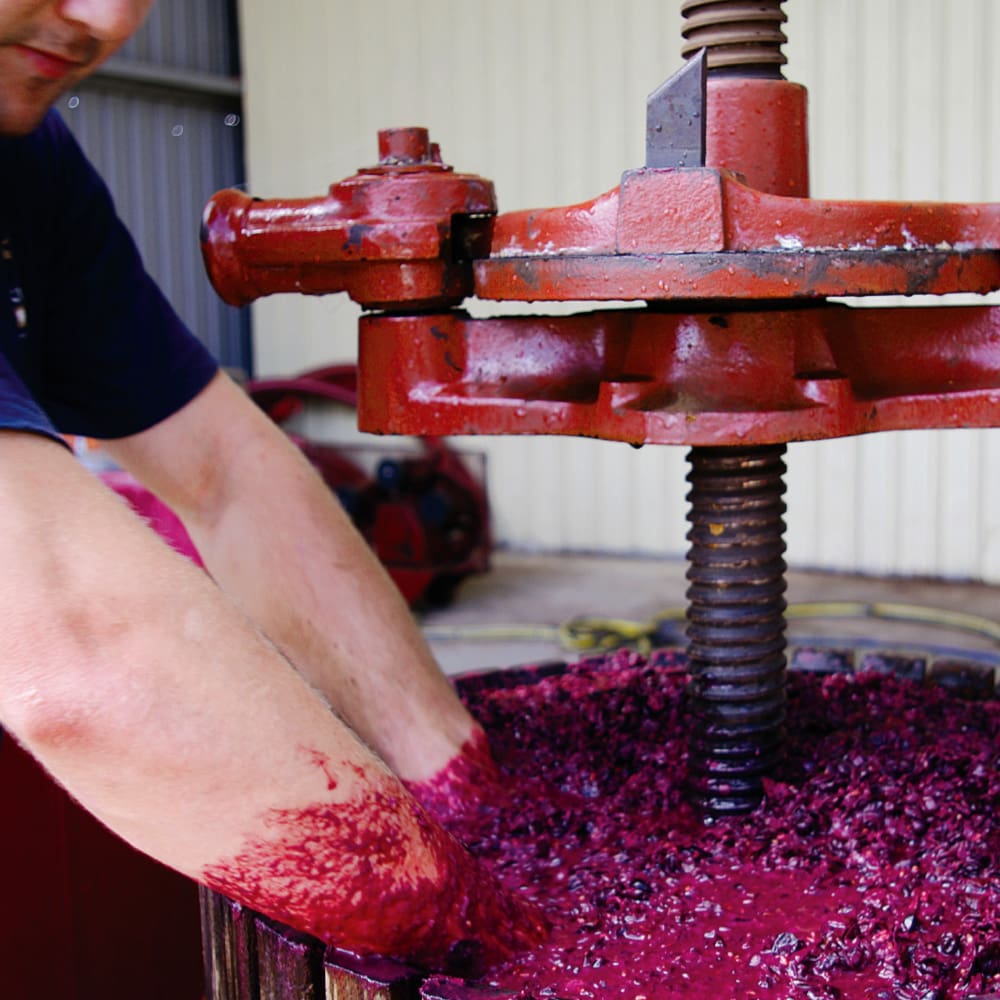
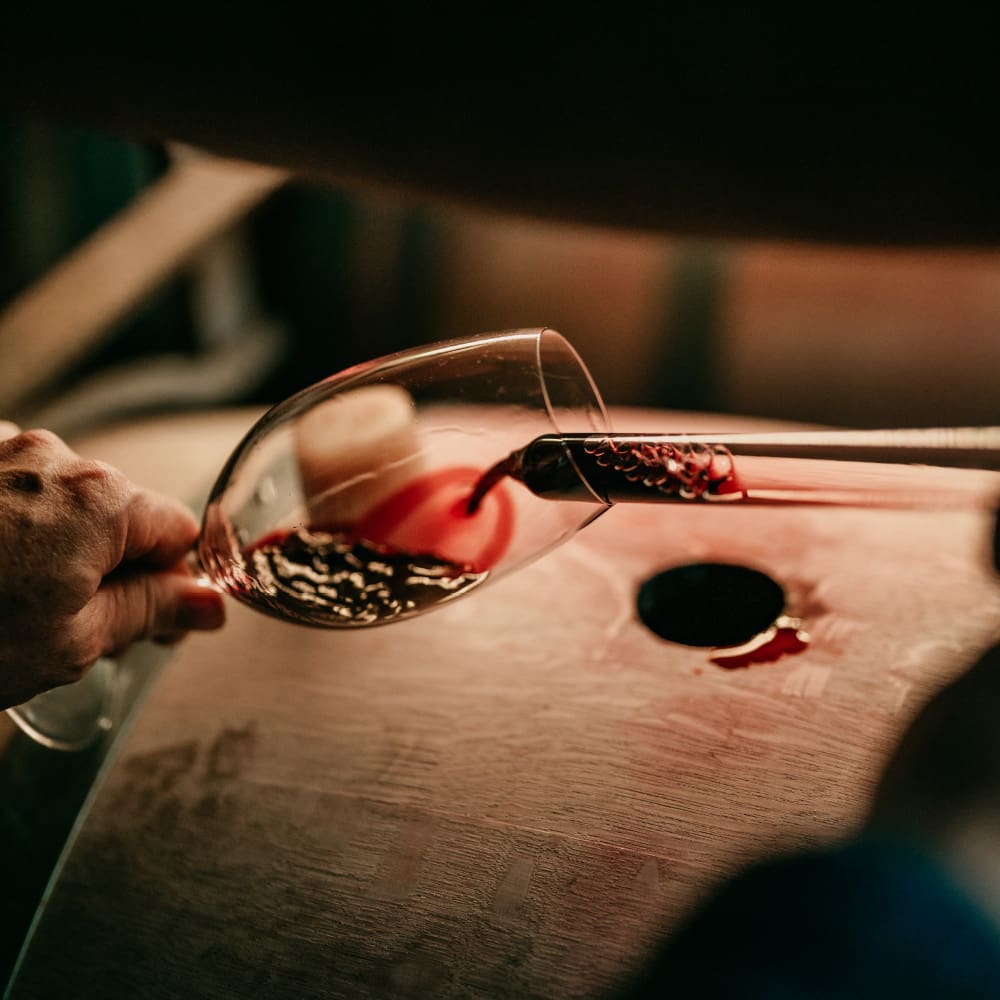
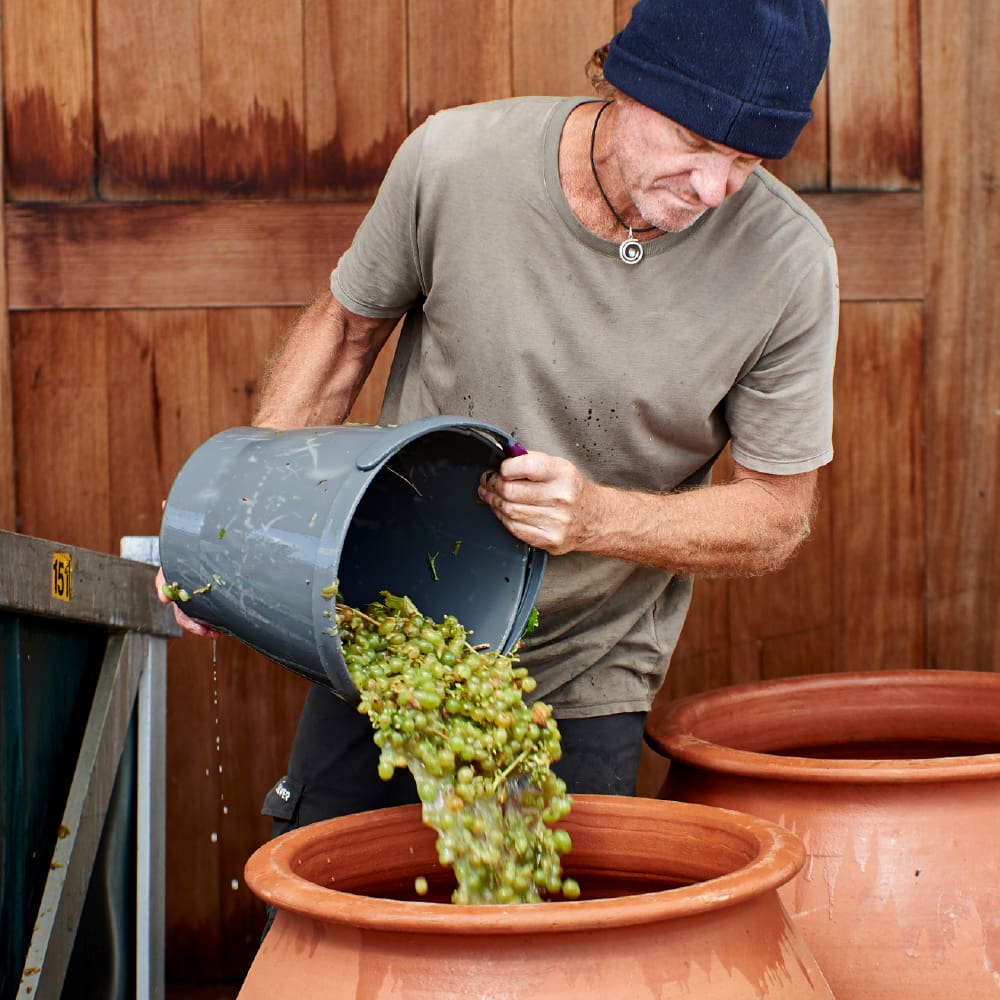
Margaret River is renowned for its refined and age-worthy Cabernet Sauvignon. Often it is blended with varieties including Merlot, Malbec and Petit Verdot. Winemaking is quite classical, with maceration, pressing and maturation in oak barriques, however innovation with vessels such as concrete and terracotta is growing in popularity. The wines tend to be medium bodied, very perfumed and elegant in style, with powdery, emery-fine tannins and balanced acidity. The wines are suited to long term cellaring. Many Cabernet Sauvignon vineyards are based on Western Australia’s heritage Houghton clone and have an average vine age of over 20 years. Other clones planted in Margaret River include SA125 and SA126.
Margaret River Cabernet Descriptors:
Perfumed, cassis/blackcurrant, redcurrant, cedar, bay leaf.
Heritage Cabernet Mass Selection (sélection massale): Houghton
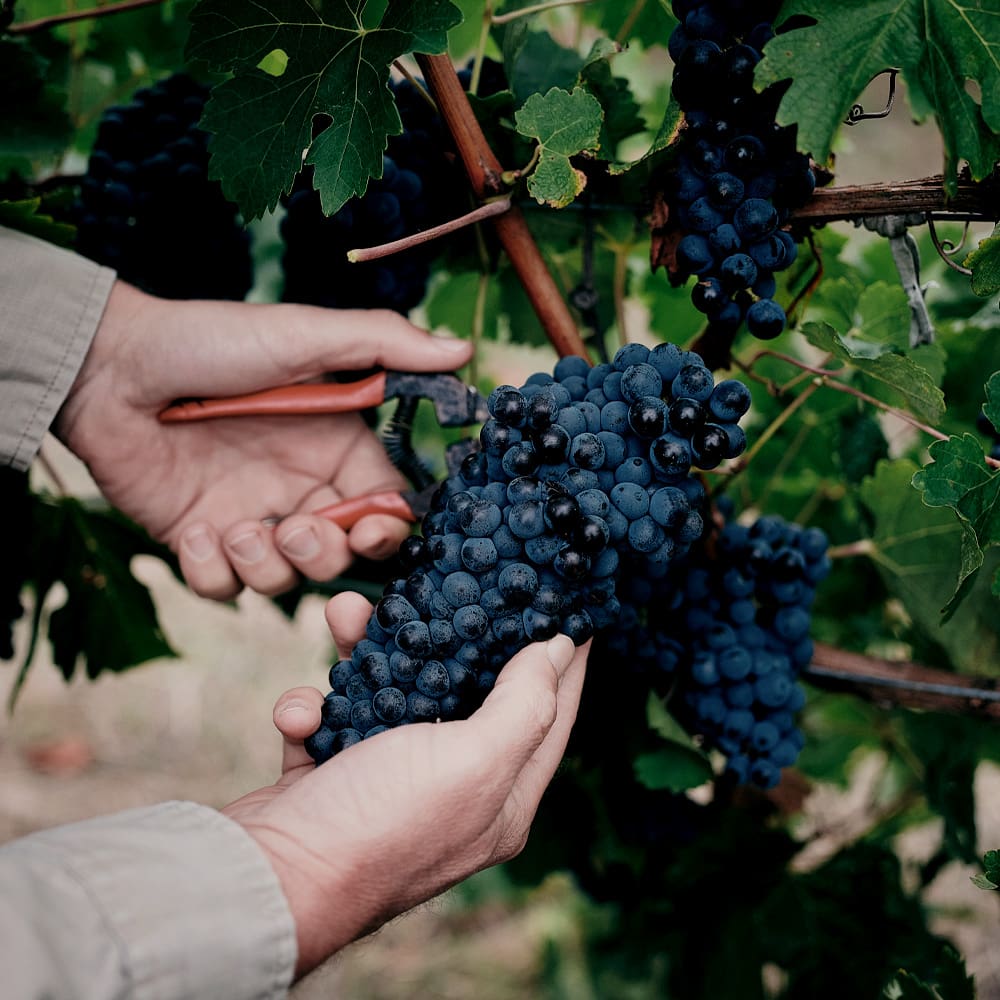
Many of Margaret River’s finest Cabernets are made with the Houghton Mass Selection (sélection massale). It is a heritage mass selection, unique to Western Australia, and has become the preferred Cabernet Sauvignon of many Margaret River vintners for its ability to ripen grapes with a superb balance of blackcurrant, berry and cassis flavours, impeccable structure and resolved tannins.
HOUGHTON YIELD
Low yielding, 4 – 6 tonnes per hectare.
HOUGHTON FLAVOUR CHARACTERISTICS
Bunches comprise of small, thick-skinned berries. In Margaret River, the extended vine hang time lends to ripe skin and seed tannins, medium to full body and great intensity. Houghton Cabernet displays less herbaceous characters and lovely density, with blackcurrant and cassis characters. It demonstrates that ‘power and elegance’ are not mutually exclusive.
HOUGHTON HISTORY
The original Houghton Cabernet Sauvignon vines were introduced to Western Australia between 1836 and 1895. Grown on its own rootstock, this is some of the rarest old-vine Cabernet material on Earth.
In the 1930s a Swan Valley vineyard, Houghton, took cuttings from old bush vines in nearby Middle Swan to establish a 1.6 hectare vineyard known as the ‘Houghton Cabernet block’. This became the source for the first Cabernet planted in Margaret River in 1967, in the Vasse Felix vineyard, followed by Moss Wood (1969), Cape Mentelle (1970) and other pioneer properties.
In the late 1990s, a new generation of Houghton clone planting and re-planting in Margaret River arose, following quality and sensory research by the Western Australian Department of Agriculture.

“The top rank of Margaret River Chardonnay and Cabernet is, simply put, in the top rank of the world. And by that, I’m including the likes of Burgundy (for the Chardonnay) and Bordeaux and Napa Valley (for Cabernet Sauvignon).”
Matt Kramer
Wine Spectator, USA
Chardonnay
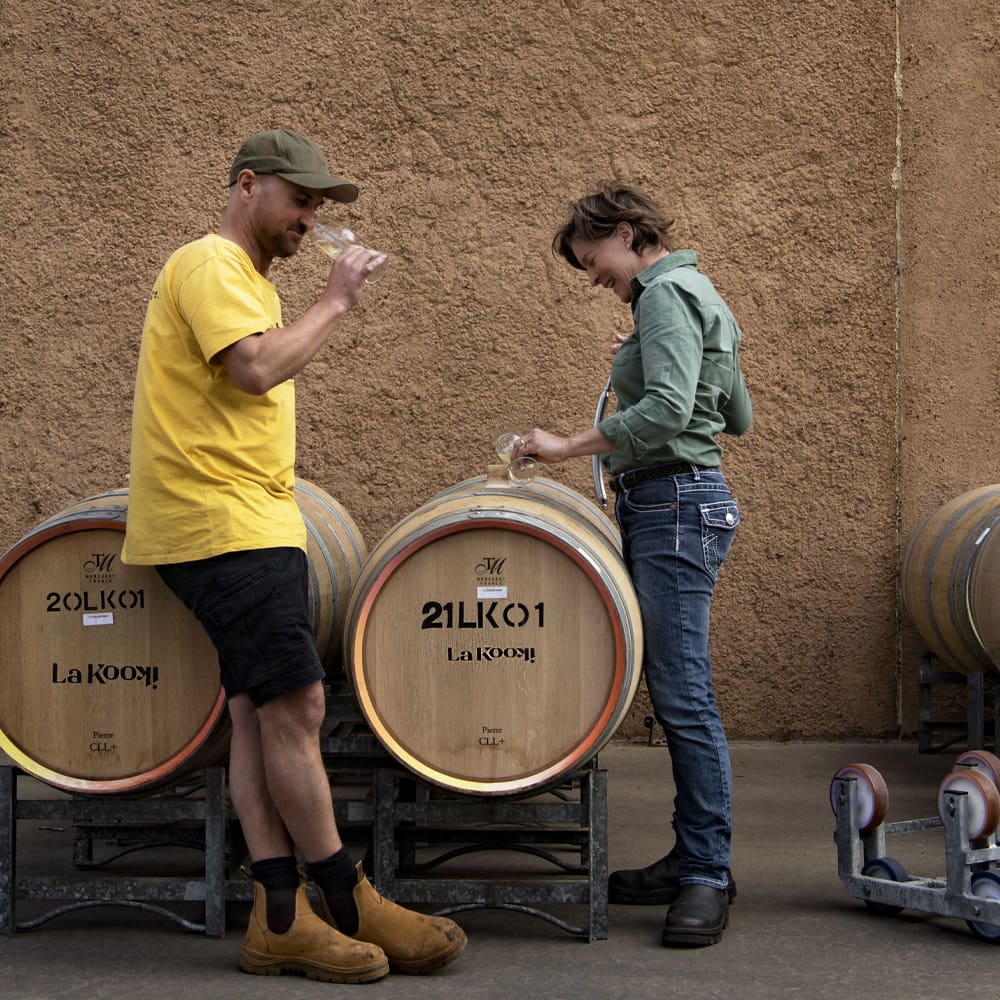
Margaret River is recognised for its pure, layered and expressive Chardonnays. The wines tend to be concentrated yet refined. Complexity is often expressed through natural fermentation in French oak barrels, building texture and secondary character development from maturation on lees. Many Chardonnay vineyards are based on Western Australia’s heritage Gingin clone. This produces low crops of small bunches with “hen and chicken” berries. The tiny berries in Gingin bunches provide intense fruit concentration and mineral acidity, in a distinguished regional style. Chardonnay Dijon clones 76, 95 and 97 are also planted.
Margaret River Chardonnay Descriptors:
Mandarin, grapefruit, nectarine/white peach, gunflint, nougat.
Heritage Chardonnay Clone: Gingin
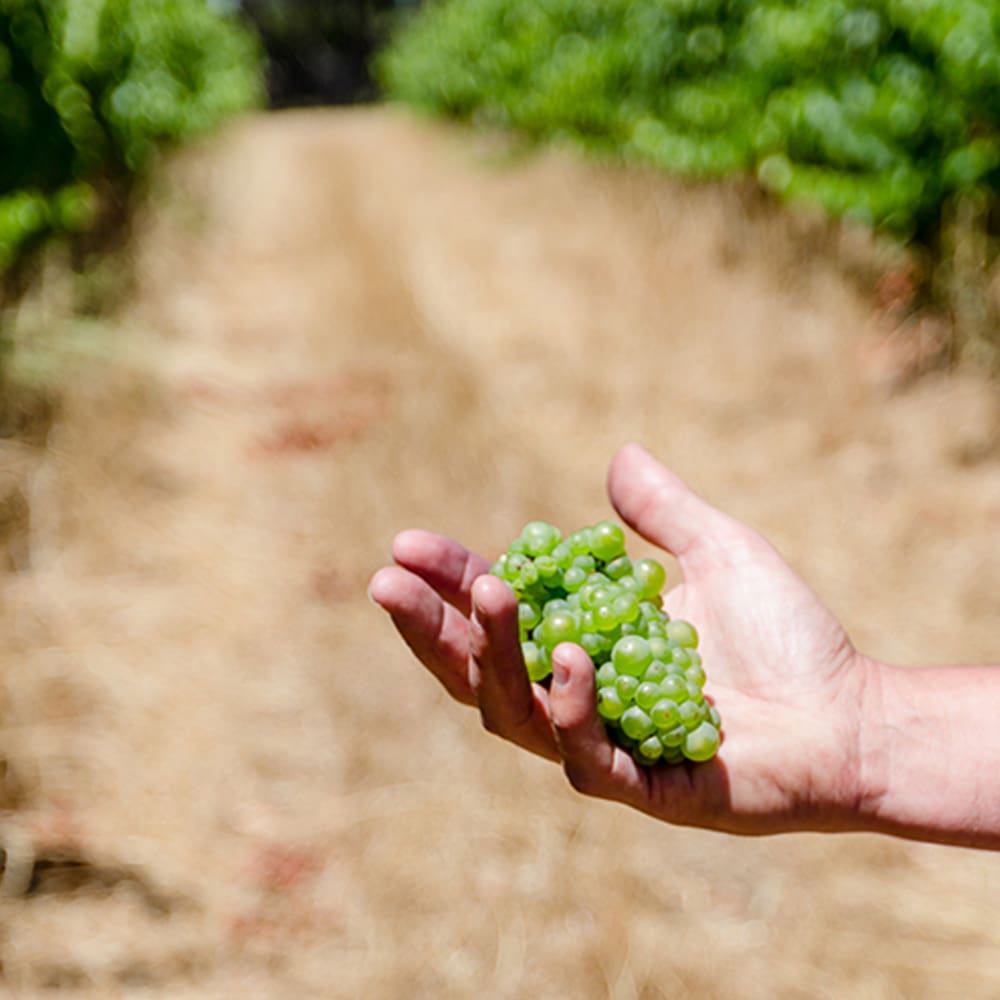
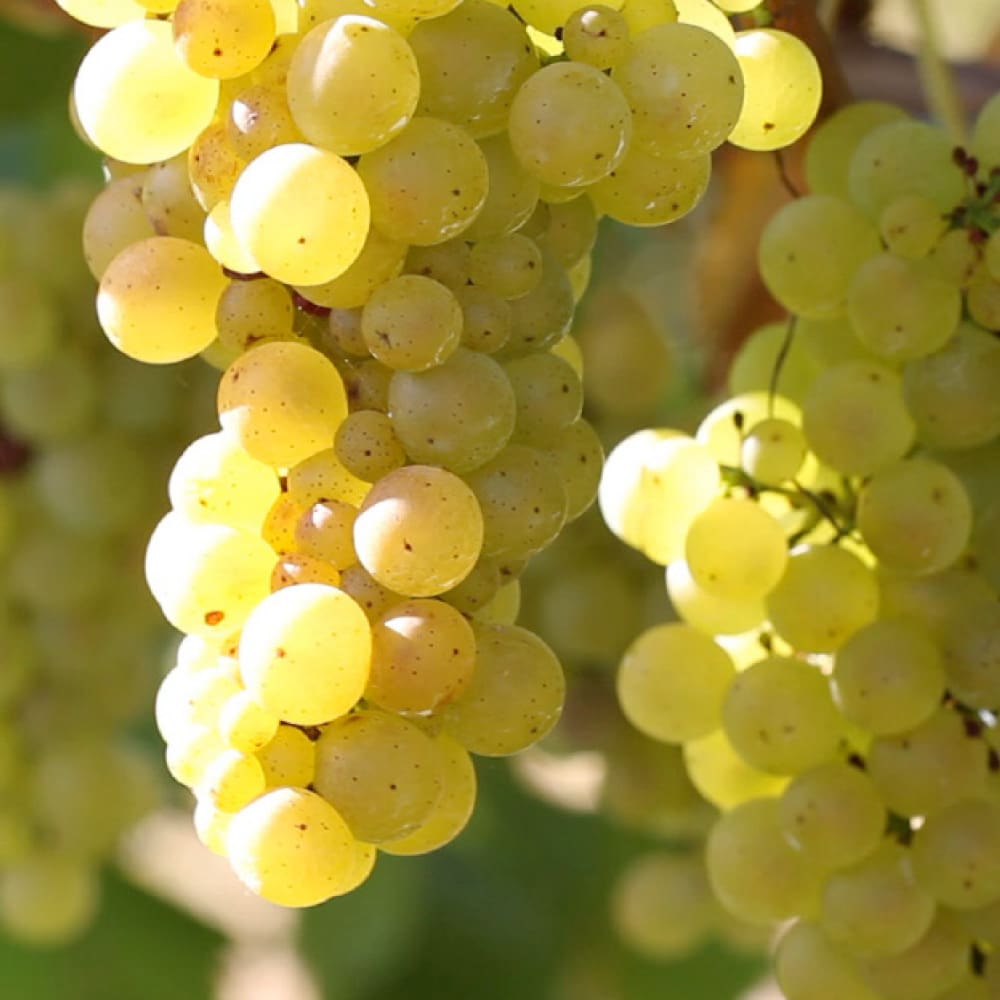
The Gingin clone of Chardonnay is ubiquitous with Margaret River, representing a major portion of Chardonnay plantings in the region. A heritage clone of Western Australia, it is known for its small bunches, its ‘hen and chicken’ berries (millerandage) and intensity of flavour.
GINGIN CLONE YIELD
Low yielding, 2 – 5/6 tonnes per hectare.
GINGIN CLONE FLAVOUR CHARACTERISTICS
With small bunches (70-100 grams) and ‘hen and chicken’ berries, Gingin grapes are intense and concentrated in fruit power, and typically retain high natural acidity.
GINGIN CLONE HISTORY
Vine cuttings were imported into Western Australia in 1957 from the University of California Davis, thought to have been overseen by Professor Harold Olmo who had visited to conduct viticulture studies in 1955. Gingin clone arrived in Margaret River when supplied to Leeuwin Estate, Moss Wood and Cullen Wines in 1976, and subsequent vineyards from 1978. Gingin clone shares genetic origins with Mendoza clone, but they are recognised as distinct from each other, as any other clone.
“Few regions in Australia have evolved as much as Margaret River. The Cabernet Sauvignon grown there is the country’s finest, up there with the best in the world, and the Chardonnay is exceptional.”
LISA PERROTTI-BROWN MW
Sauvignon Blanc / Semillon
Margaret River produces its own distinctive white wine blend using Semillon and Sauvignon Blanc. The style became incredibly popular from the late 1980s as the quintessential Australian aromatic white wine. Often fermented in stainless steel and enjoyed fresh. These crisp, fruit-driven and approachable wines are suited ideally to the outdoor lifestyle. Margaret River leads the premium end of this category in the domestic market.
Additionally, statement-making white blends and complex Sauvignon Blanc expressions feature in the folios of many Margaret River winemakers, where the fusion of technical and intuitive prowess is unearthing creative new frontiers. Practices such as grape skin-contact and oak during fermentation, and fermentation vessels such as foudres are driving complexity and ageability in a new generation of leading styles.
Margaret River Sauvignon Blanc / Semillon Descriptors:
Gooseberry, passionfruit, lime, lemon curd.

“The interface of grape growing with a coastal lifestyle is hard to beat. Our gentle maritime climate has created a hugely biodiverse region, which also seems to attract lifestyle and nature loving people.”
BRUCE DUKES
DOMAINE NATURALISTE
Shiraz / Syrah
Shiraz or Syrah is the second most planted red variety in Margaret River. It traces back to the earliest days of the industry and has a well-established following. The wines tend to be a medium-bodied style, featuring perfumed, fruit-driven aromas and bountiful forest fruits on the palate. They can be more spice-driven and cool climate in style, therefore sometimes labelled as Syrah.
Margaret River Shiraz Descriptors:
Mulberry, blackberries, plum, spice, violets.

Chenin Blanc
Chenin Blanc makes up only a tiny portion of the region’s plantings, however, some passionate producers are dedicating serious effort to elevating the variety. Made in a range of styles from sparkling to still, some examples are crisp and dry, fermented in stainless steel, while others are rich and full-bodied, wild-fermented in oak barrels. The regional style shines due to its versatility. Fruit-driven and ripe, these wines gain balance from vibrant natural acidity and saline minerality. Complexity comes through partial or full malolactic fermentation as well as lees ageing and stirring.
Margaret River Chenin Blanc descriptors:
White flowers, pink grapefruit, pear, peach, beeswax.
Alternative Varieties
Outside of the ‘top five’ varieties, which account for 87% of the region’s plantings, Margaret River also grows Merlot, Chenin Blanc, Malbec and Tempranillo, representing 8% of vineyard area.
In addition, the region has more than 40 alternative or experimental varieties planted. Many are produced in very small volumes, but these emerging wines showcase the region’s spirit of innovation and provide a glimpse into exciting possibilities for the future.
Varieties to keep an eye on include Cabernet Franc, Grenache, Sangiovese, Vermentino, Fiano, Mourvèdre, Nebbiolo, Graciano and Albariño.