The Young Gun of Wine ‘Vineyard of the Year Awards’ place the focus on sites and their stewards, assessing vineyards from across Australia on grape and wine quality, alongside environmental, economic and social sustainability. Awards judge Max Allen noted, the intent is less about trophies and more about, “digging deep into best practices and sharing learnings.”
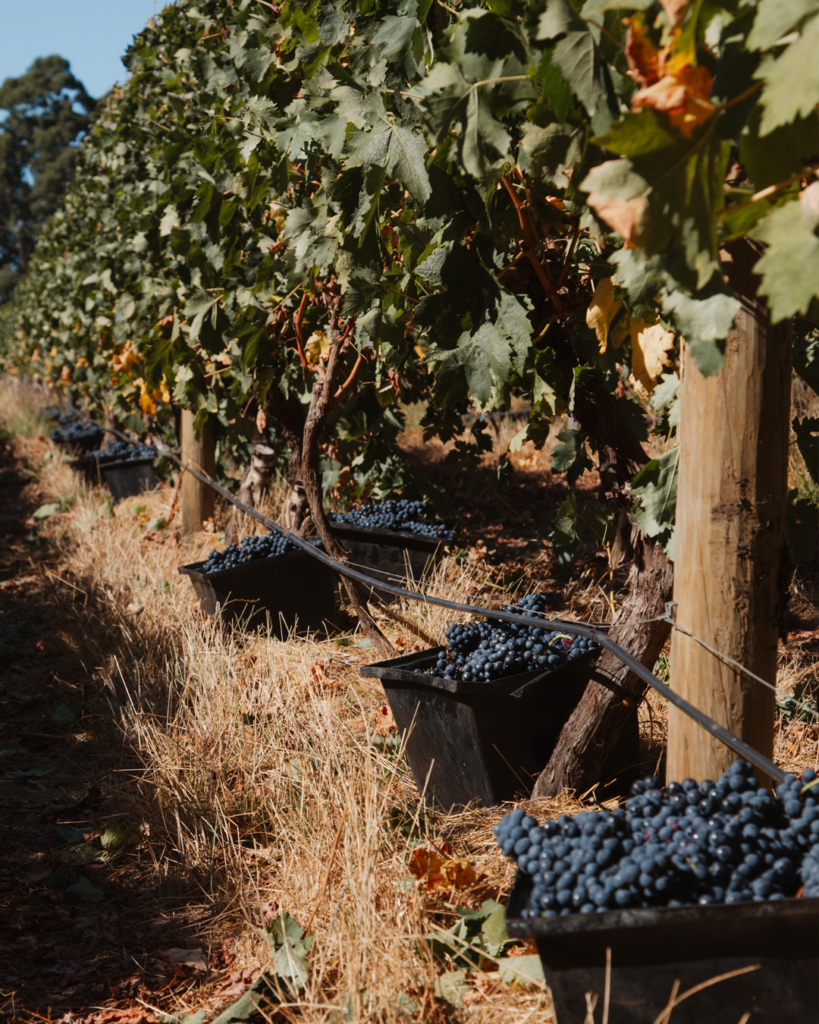
Within that national context, Margaret River’s four finalists highlight a region that continues to invest in site expression, long-term vineyard health and increasingly distinct models of growing.
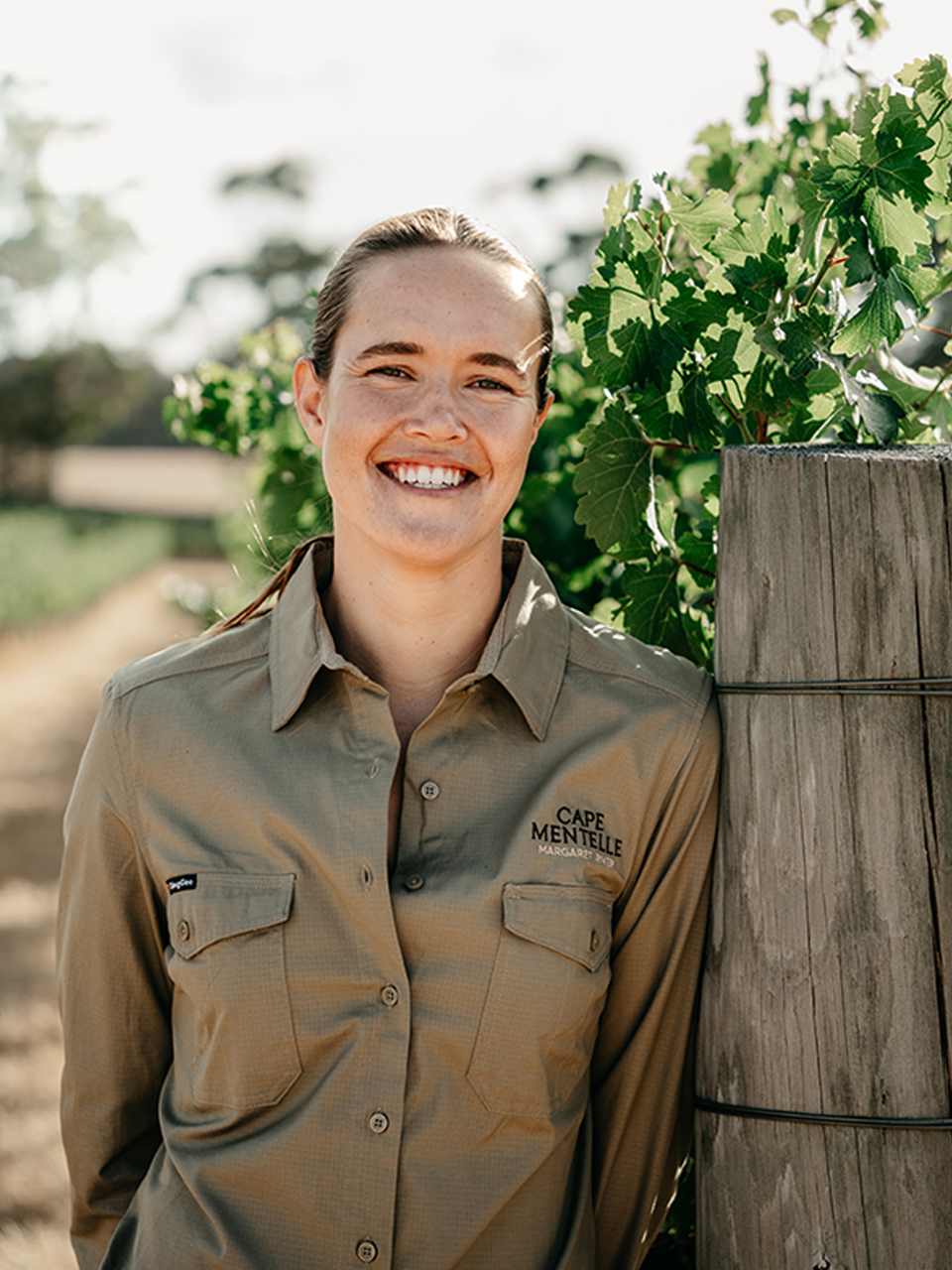
Cape Mentelle – Chapman Brook Vineyard
Managed by Annabel Angland, Chapman Brook Vineyard was recognised by judges not just for fruit quality, but for how a 49 hectare site first planted in 1993 is being actively refined. Judges pointed to the vineyard’s, “undulating landscape of sandy loam soils with pockets of ironstone, through which the Chapman Brook – its namesake – runs,” and its inland position, which together create the conditions for, “full phenological ripeness without sacrificing freshness.” The panel noted Angland’s, “rigorous data-driven site management,” as key to unlocking site expression at scale.
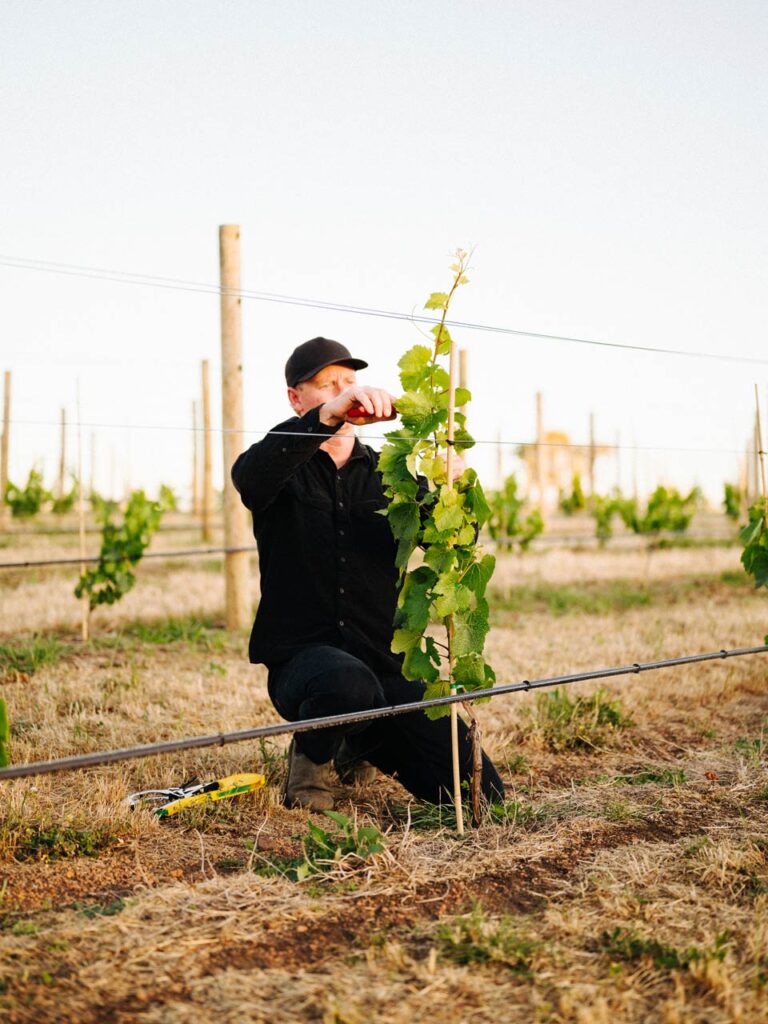
Gralyn Estate
At Gralyn Estate, Managed by Scott Baxter, judges focused on the clarity of the model as much as the vineyard itself for one of Margaret River’s oldest vineyards, planted in 1975. Described as “deliberately compact” and “entirely family-operated,” the 10-hectare site is part of a tight loop: fruit is grown, made and sold entirely through the cellar door, mailing list and website. In practical terms, that means vineyard decisions are directly tied to the finished wine and wine drinker.
Kaloorup Cottage Vineyard
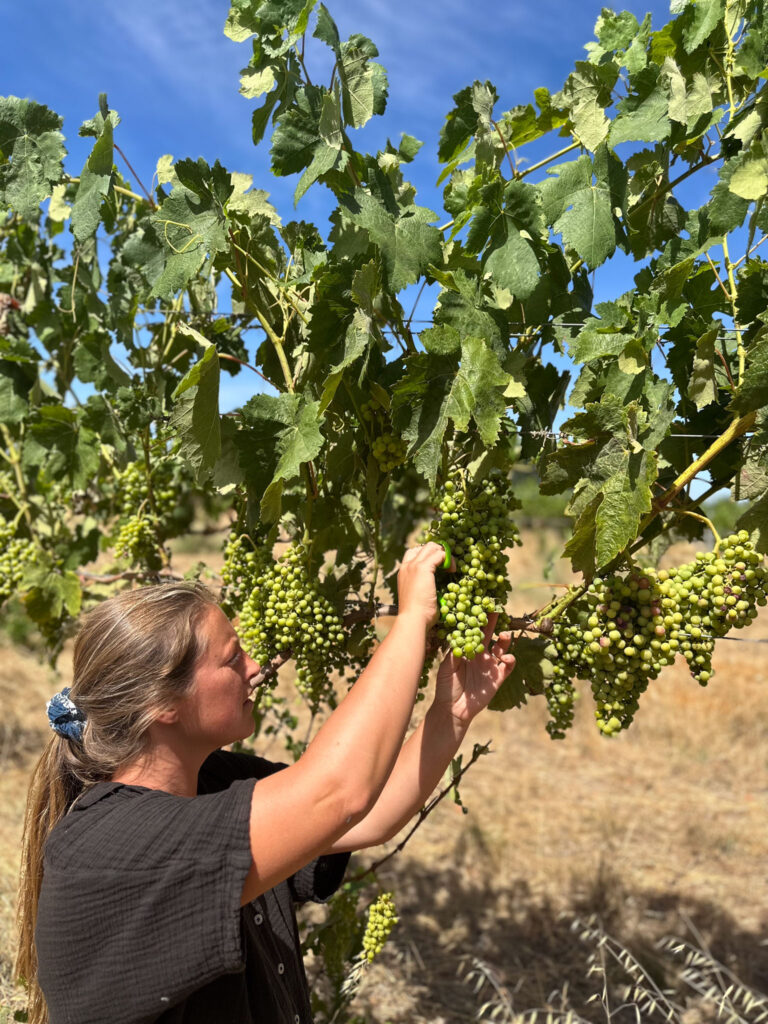
Led by Georgina Harrison, Kaloorup Cottage Vineyard was recognised by judges as “a remarkable case study in regenerative agriculture, information transparency and and the tireless efforts of viticulturist Georgina Harrison to build a truly sustainable agricultural system on her patch of land.” Working from just over two hectares of own-rooted cabernet sauvignon, Harrison has reshaped the vineyard with a focus on long-term system health, removing unproductive rows, grafting to varieties including chardonnay, nebbiolo and tempranillo, and rebuilding soil vitality and balance across the site.
Lirica – Hutton Vineyard
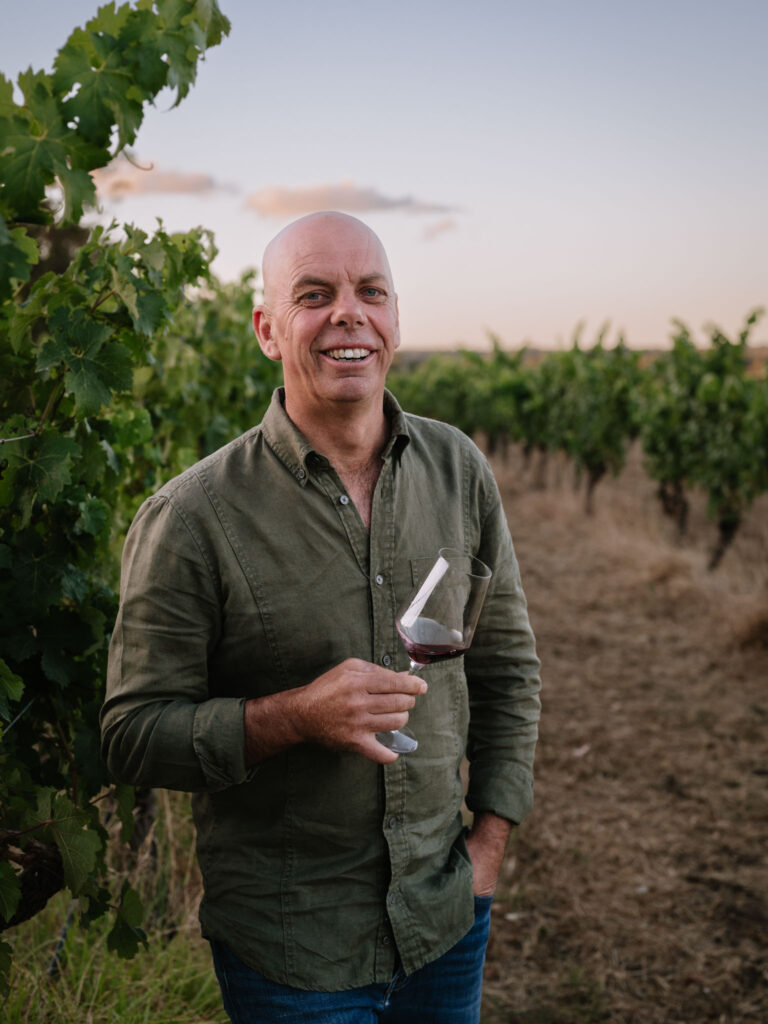
The smallest of the four finalists, Lirica – Hutton Vineyard, under Lee Haselgrove, was singled out for its intensity of focus. At just 0.85 hectares, judges described the site as one, “where every vine is a decision,” a scale that allows for highly responsive, hands-on viticulture. The vineyard’s settings, own-rooted vines planted in 1976, dry-grown on gravel loam over clay, on an east-facing mid-slope – were noted as naturally suited to cabernet sauvignon, moderating heat and preserving structure. What distinguishes the site is its singular intent. Judges highlighted Haselgrove’s work as being directed toward one outcome: a single wine, Lirica, to, “make a meaningful contribution to the conversation around fine cabernet sauvignon.”
Discover more on the Young Gun of Wine Vineyard of the Year Awards.